You’re halfway up a climb that felt manageable ten minutes ago. Your legs are burning, your breathing is ragged, and you’re seriously reconsidering every life decision that led you here. Then you remember — you skipped your morning coffee because you read somewhere that it dehydrates you before a ride.
That was bad advice. And most of us have followed some version of it at some point.
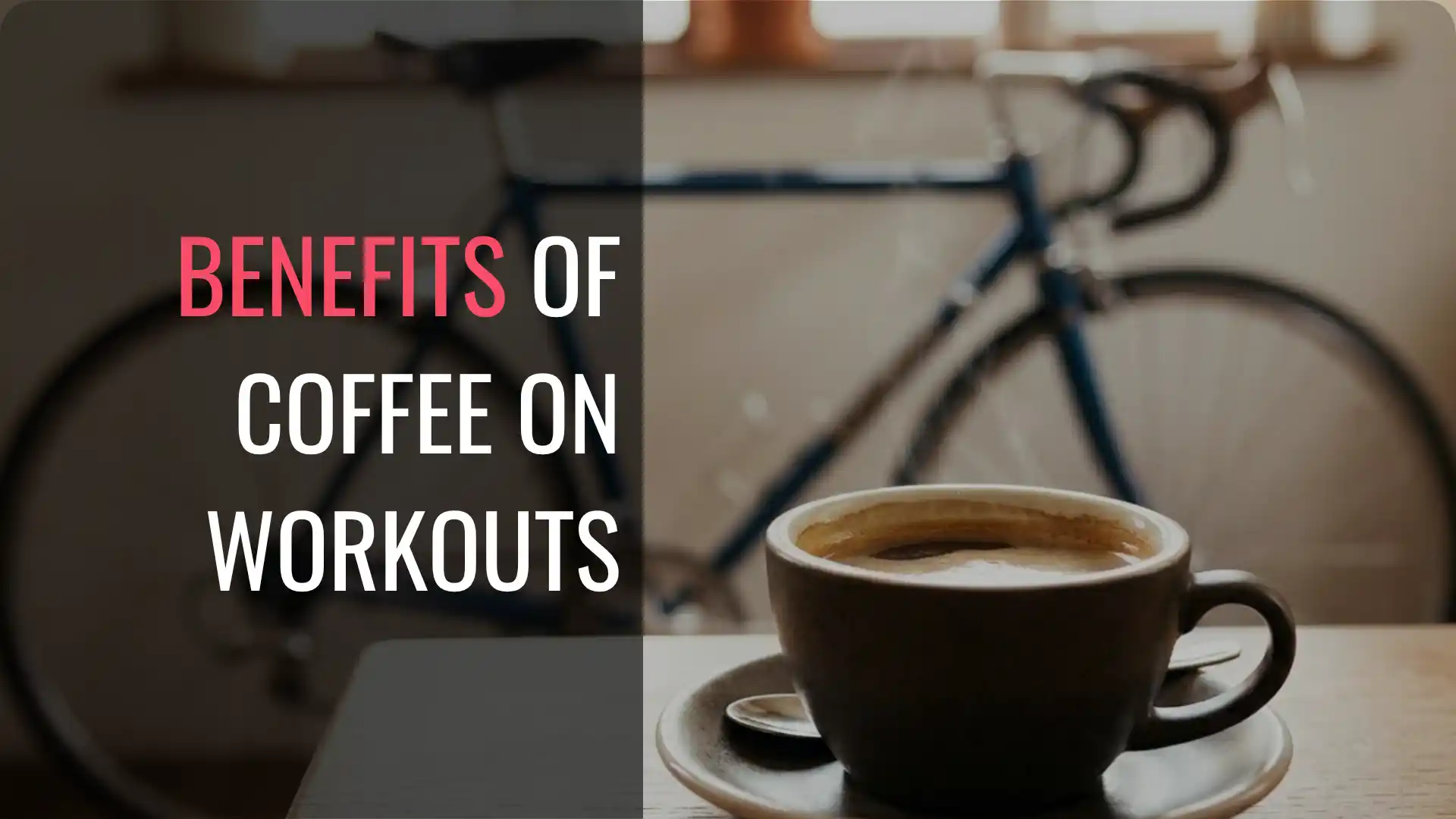
Coffee is one of the most researched performance aids in existence, and it costs less than a gel pack. Cyclists have been drinking it before rides for decades, but the reasons it actually works often get buried under myths, bro science, and energy drink marketing. In this post, we will break down how coffee boosts your power on climbs, extends your endurance, sharpens your sprint, and answer the questions most riders are quietly wondering about.
Table of Contents
Increases Power for Uphill Training, Increases Endurance,
You know that moment halfway up a climb when your legs start sending strongly-worded complaints to your brain? A cup of coffee about 45 minutes before your ride can genuinely move that wall further back. Caffeine works by blocking adenosine receptors — the brain’s “you’re tired now” signals — while helping your muscles recruit more force during hard efforts.
- Improved power output on climbs: Studies show caffeine increases muscular force production by 3–7%. On a long grind uphill, that margin is the difference between spinning out and cresting with something left.
- Extended endurance threshold: Caffeine helps your body shift toward burning fat for fuel, sparing glycogen stores longer so you stay in your groove further into the ride.
- Reduced perceived effort: Your legs might be working just as hard, but your brain registers it as easier. That’s not placebo — that’s central nervous system modulation doing real work.
- Better focus on technical terrain: Caffeine sharpens alertness and reaction time, which matters when you’re navigating roots or traffic mid-climb.
- One myth worth killing: coffee dehydrates you enough to hurt performance. At moderate doses, the mild diuretic effect is offset by the fluid you’re consuming. Drink your coffee, don’t panic.
This week, time your pre-ride coffee to land 45 minutes before your hardest climb and notice where your legs start talking back.
Helps with Sprints
Remember that moment when you’re trying to close a gap or out-kick your riding buddy to the town line sign? You dig deep, the legs burn, and you wish for that extra spark. Turns out, coffee can be a genuine secret weapon here. The common assumption is that caffeine only helps with long, steady efforts — but the research on anaerobic performance tells a different story. Short, high-intensity bursts benefit just as much.
Here’s why it works for sprints specifically:
Faster neuromuscular signaling means your brain recruits muscle fibers more efficiently. Caffeine improves the firing rate of motor neurons, so your muscles respond more quickly and forcefully when you demand a sudden burst of power — translating directly to snappier acceleration.
Reduced perception of effort lets you hold a harder gear longer before your body starts screaming at you to stop. You’re not actually stronger — you just tolerate the discomfort better, pushing harder for those crucial extra seconds.
Improved glycolytic output gives your muscles better access to quick-burning fuel during explosive moments when aerobic energy simply can’t keep up.
Sharper focus and alertness matters too — sprints require picking the right line, anticipating moves, and executing efficiently. That mental edge is easy to overlook but genuinely valuable.
Before your next group ride, time your coffee so it hits about 45–60 minutes before you expect any sprint opportunities.
What Kind of
Cyclist
Are You?
Find out your cyclist type and get a personalized training plan sent straight to your inbox — built around how you actually ride.
Take the Quiz → No thanks, I'll skip thisCommon Questions About Drinking Coffee and Cycling
How much coffee should I drink before a ride?Most research points to 3–6 mg of caffeine per kilogram of bodyweight as the sweet spot for performance benefits. For a 75 kg rider, that’s roughly one to two strong cups. More than that and you’re just inviting jitters and an urgent bathroom stop mid-climb.
Does timing matter?Genuinely, yes. Caffeine peaks in your bloodstream around 45–60 minutes after drinking, so aim to finish your cup about 45 minutes before you head out. Sipping one right as you clip in means you’ll hit your hardest effort before it even kicks in.
Will coffee dehydrate me on longer rides?This myth just won’t die. The mild diuretic effect of caffeine is largely offset by the fluid in the coffee itself. Keep drinking water as you normally would and you’ll be fine.
Does it matter whether I drink espresso, drip, or cold brew?The format matters less than total caffeine content and how your stomach handles it. Cold brew can be easier on sensitive stomachs due to lower acidity, but your body processes caffeine the same way regardless of the source.
What if coffee upsets my stomach during rides?Try drinking it with a small amount of food rather than on an empty stomach, and allow the full 60 minutes before pushing hard. Cold brew is worth trying if acidity is the culprit.
Will daily coffee drinking stop it from working Regular drinkers do build some tolerance, but research shows they still get a meaningful performance benefit. No need to quit coffee dramatically before a big event unless you’re chasing every last percentage point.

Get that "Cup of Joe" before the morning ride
Coffee before a ride is one of those rare things that actually delivers on its promise. It sharpens your focus on climbs, carries you through the long miles, and gives your sprints a little extra bite — all without a complicated protocol or an expensive supplement stack. You probably already have it in your kitchen right now.
Try it once before your next ride. Keep it simple — black, about 45 minutes out. See how your legs feel on that first hill. Your morning cup just got a second job.
Related Cycling and Training Content
PEDAL MY WAY NEWSLETTER
Weekly training tips, cycling strategies, and fitness insights for sustainable performance.
No spam—just actionable guidance to help you train smarter.