Table of Contents
How the Ankle is Used in Cycling
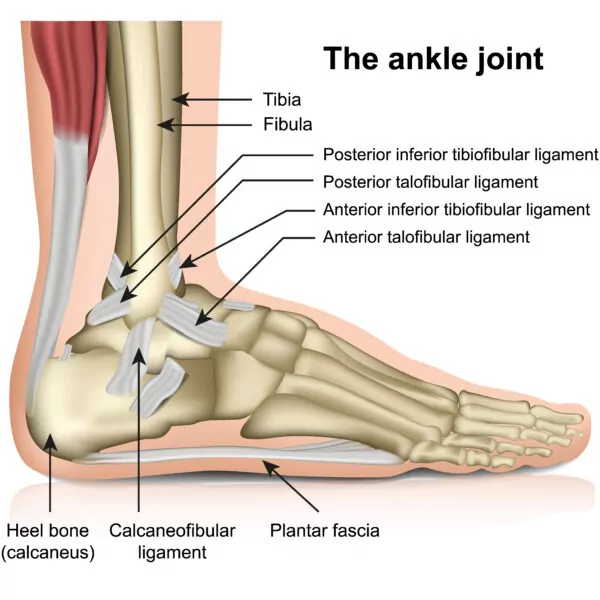
- Gastrocnemius: This calf muscle attaches to the heel bone and helps point the toes downward, which is crucial for generating power during the downstroke.
- Soleus: Also located in the calf, the soleus muscle works alongside the gastrocnemius to point the toes downward and aids in pedaling efficiency.
- Tibialis Anterior: This muscle is located along the shin and helps pull the toes and foot upward, which is essential during the upstroke of pedaling.
- Tibialis Posterior: This muscle also plays a role in pointing the toes downward, assisting the gastrocnemius and soleus.
- Peroneus Longus and Brevis: These muscles are located on the outside of the lower leg and help stabilize the ankle during cycling, preventing excessive inward or outward rolling.
Ankle Injuries
- Achilles Tendinitis: Inflammation and irritation of the Achilles tendon can result from overuse, poor bike fit, or excessive hill climbing.
- Plantar Fasciitis: Inflammation of the plantar fascia, the tissue running along the bottom of the foot, can cause heel pain and discomfort, often due to poor cleat positioning or arch support.
- Metatarsalgia: Pain and inflammation in the ball of the foot can result from excessive pressure on the pedals or poorly fitted cycling shoes.
- Numbness or Tingling: Compression of nerves in the foot can cause numbness, tingling, or burning sensations, often due to tight shoes or improper foot positioning.
- Shin Splints: Pain along the shinbone can result from overuse or a sudden increase in training intensity, often affecting cyclists who use a toe-down pedaling technique.
- Ankle Sprains: Twisting or rolling the ankle during a crash or dismount can result in ligament sprains, causing pain, swelling, and instability in the affected ankle.
- Fractures: High-impact collisions or falls can cause fractures to the ankle bones, leading to severe pain, swelling, and difficulty bearing weight on the affected foot.
Achilles Tendon Injuries
- Pain and tenderness along the back of the heel or lower calf
- Stiffness or limited mobility in the affected ankle
- Swelling and warmth around the Achilles tendon
- Difficulty standing on tiptoe or pushing off with the affected foot

Tips to Avoid Aggravating Old Injuries
- Listen to Your Body: Pay attention to any pain, discomfort, or changes in your body. If something doesn’t feel right, take a break, adjust your position, or seek professional advice.
- Warm-Up and Cool-Down: Start and end your rides with a proper warm-up and cool-down routine, including dynamic stretching, light cardio, and foam rolling to prepare your muscles for activity and aid recovery.
- Strengthen and Stretch: Incorporate strength training and stretching exercises that target the muscles surrounding the previously injured area. This helps to maintain balance and stability, reducing the risk of re-injury.
- Gradually Increase Intensity: When returning to cycling after an injury, gradually build up your mileage, speed, and hill-climbing to allow your body time to adapt to the increased demands.
- Maintain Proper Bike Fit: Ensure your bike is set up correctly for your body, as an improper fit can place excess stress on vulnerable areas and increase the risk of aggravating old injuries.
- Choose Appropriate Routes and Surfaces: Opt for smoother roads or trails when possible and avoid rough terrain that could cause unnecessary stress on your body.
- Rest and Recover: Prioritize rest days, cross-training, and recovery techniques such as foam rolling and massage to help maintain muscle health and prevent re-injury.
- Stay Hydrated and Fueled: Proper nutrition and hydration can help support muscle function and recovery, reducing the risk of injury.
- Seek Professional Guidance: Consult a physical therapist, coach, or cycling-specific healthcare professional for personalized advice on managing and preventing re-injury.
- Address Muscle Imbalances: Identify and correct muscle imbalances that may contribute to poor biomechanics or overuse injuries.
Stronger Ankles for Stronger Pedaling
I hope you found this useful and informative. Please check out my other posts on addressing injuries of the soleus and IT Band. This post on bike safety gear might be a relevant read. And a related podcast on hydration you can listen to.

Mukund Murali is the founder of Pedal My Way (pedalmyway.com), a cycling and fitness media brand reaching 50,000+ monthly visitors. He brings 20+ years of cycling experience spanning road, gravel, and mountain biking, with deep expertise in bike mechanics and repair. A CrossFit L1 and L2 certified trainer (2018–2023), Mukund combines strength training methodology with cycling performance to create evidence-based content for the everyday rider. He is the host of Ask The Pedalist podcast and creator of the PMW Fit workout app on Google Play.