Comfort on your bike are in 3 areas where you are in contact with the bike – your seat, handlebars, and pedals. When it comes to seat comfort, your bike shorts play a major role. But imagine you’re forty minutes into what was supposed to be a relaxed weekend ride, and there’s a hot spot forming on your inner thigh, your waistband keeps rolling down every time you lean forward, and the seam running through the middle of your seat feels like it was designed by someone who has never actually sat on a bike. You stop, adjust, keep riding, adjust again. By mile twenty, the ride you were looking forward to all week has turned into something you just want to finish.
I’ve been there more times than I’d like to admit. For a while I convinced myself it was just part of cycling — that discomfort was something you push through. Then I started paying attention to what was actually causing the problem, and it wasn’t my fitness or my saddle. It was what I was wearing. The right cycling shorts don’t just make long rides more comfortable; they make them genuinely enjoyable again.
The good news is you don’t need to spend a fortune or wade through endless spec sheets to figure this out. You just need to know what actually matters and why. In this post, we will cover how cycling shorts differ from regular athletic wear, what chamois padding really means for your comfort, how to choose between bib and waist styles, and which construction details separate a great pair of shorts from one you’ll regret after hour two.
Table of Contents
Why Standard Gym Shorts Won't Cut It on Long Rides
You’re an hour into a 40-miler, legs feeling good — then somewhere around mile 15, a hot spot appears right where your seat meets your inner thigh. By mile 25, you’re shifting every few minutes, wondering why you didn’t just drive. That discomfort almost always traces back to one thing: wearing the wrong shorts.
For a quick spin, it honestly doesn’t matter. But once you’re logging real miles, casual shorts start working against you. The fabric bunches, seams land in the worst places, and there’s nothing absorbing road vibration or redistributing pressure. Cycling-specific shorts exist for genuinely functional reasons — every design choice solves a real problem that shows up on longer rides. Here’s what standard shorts get wrong:
- No chamois: Without padding, your sit bones absorb the full force of every bump. A properly designed chamois reduces pressure points, absorbs shock, and moves with your body across thousands of pedal strokes.
- Poor seam placement: Gym shorts are sewn for standing and walking. Those raised inseams press directly into soft tissue with every stroke — thousands of uncomfortable contacts per ride.
- Bunching fabric creates friction hotspots: Loose, unstructured material folds and shifts as you pedal, which is exactly how chafing and saddle sores develop, usually right when you least want the distraction.
- Moisture mismanagement: Most casual shorts hold sweat against skin rather than moving it away — a fast recipe for irritation on any long effort.
- No compression or support: Cycling shorts support muscles and improve blood flow. Standard shorts leave your legs working harder than necessary over sustained distance.
Before your next ride of 90 minutes or more, swap in a pair of cycling-specific shorts — even an entry-level option — and notice how different the second hour feels.
Decoding the Chamois: Finding the Right Padding
Here’s the advice I wish someone had given me early on: more padding does not mean more comfort. The chamois is not about softness — it’s about pressure distribution, moisture management, and staying in place while you’re actually moving on a bike. Too much bulk creates friction and bunching; a well-engineered chamois supports your sit bones with smart density variations, not more foam.
A good chamois works with your body and riding position. A bad one — even an expensive, thick one — fights against you. Here’s what actually matters:
- Multi-density foam: A quality chamois uses denser foam under your sit bones for support and thinner foam elsewhere to reduce bulk. This graduated padding delivers consistent support from mile one to mile fifty, rather than flattening into nothing over time.
- Anatomical shaping: The chamois should contour to how you actually sit — wider at the sit bones, relieved in the center. A flat, uniform pad creates pressure in exactly the wrong places regardless of how well everything else fits.
- Moisture-wicking top layer: The surface touching your skin must pull sweat away quickly. Retained moisture is a primary cause of chafing and saddle sores.
- Gender-specific designs exist for good reason: Men’s and women’s chamois pads are shaped differently based on anatomy. Riding in the wrong one creates discomfort no amount of adjustment will fix.
- No underwear, ever: Seams, cotton fabric, and bunching create friction that even the best chamois cannot overcome.
On your next long ride, note exactly where discomfort appears — that location will tell you whether your chamois is the wrong density, wrong shape, or simply mismatched to your position.
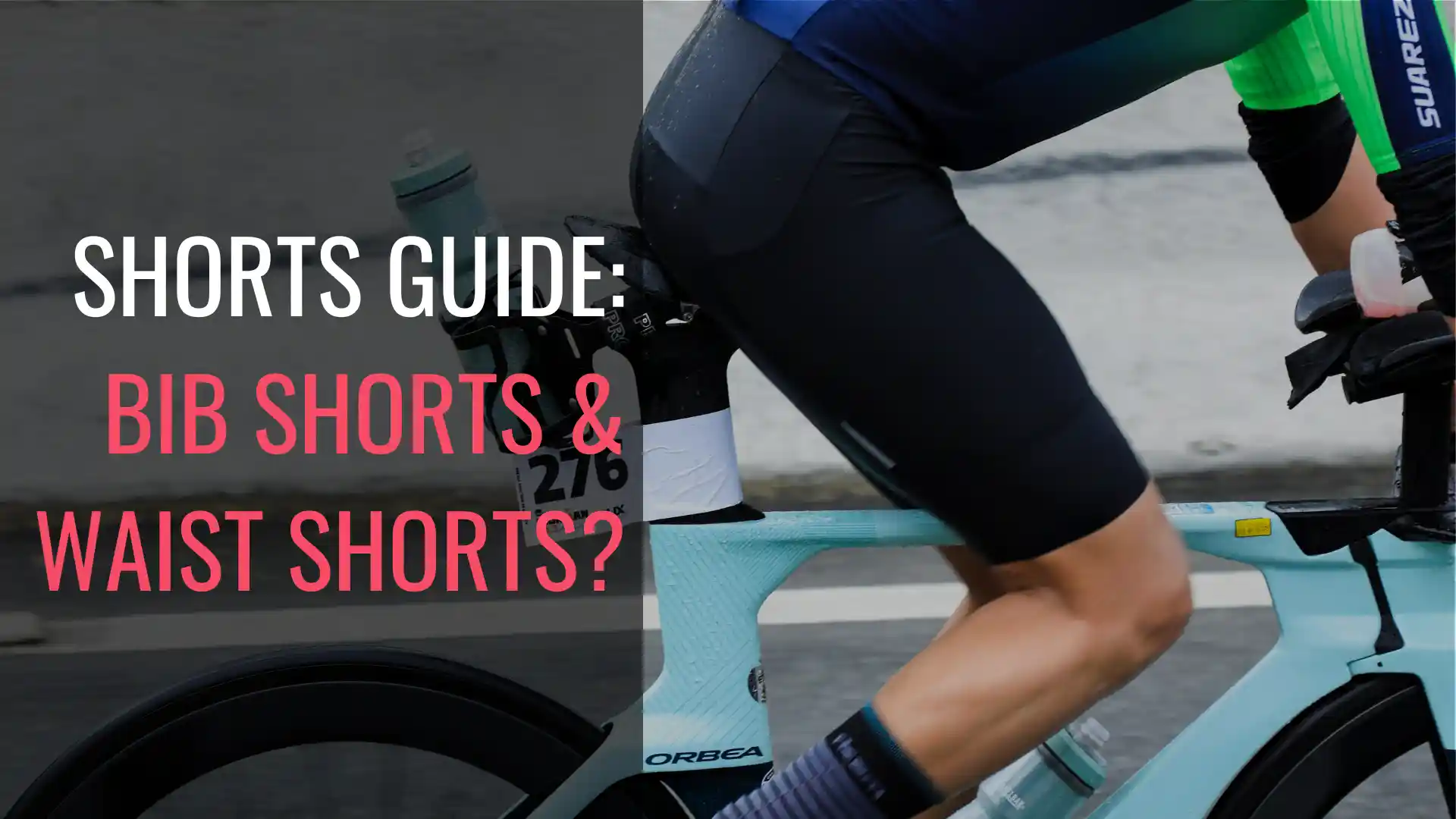
Bib Shorts vs. Standard Waist Shorts: Which is Better?
Most advice on this topic either treats bibs as obviously superior or pretends both options are equal. The honest answer is that each serves a different rider at a different point in their cycling life. Here’s what actually separates them on the road.
Comfort and Stability on Long Rides
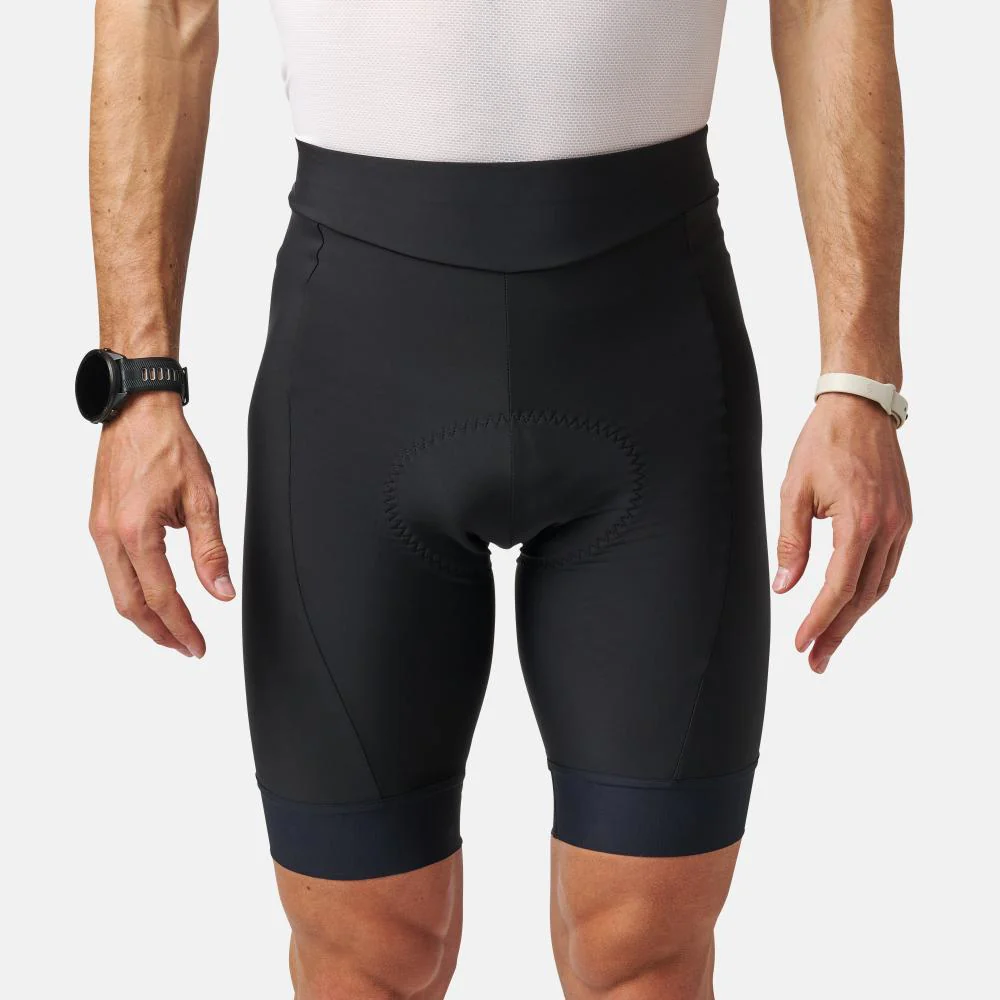
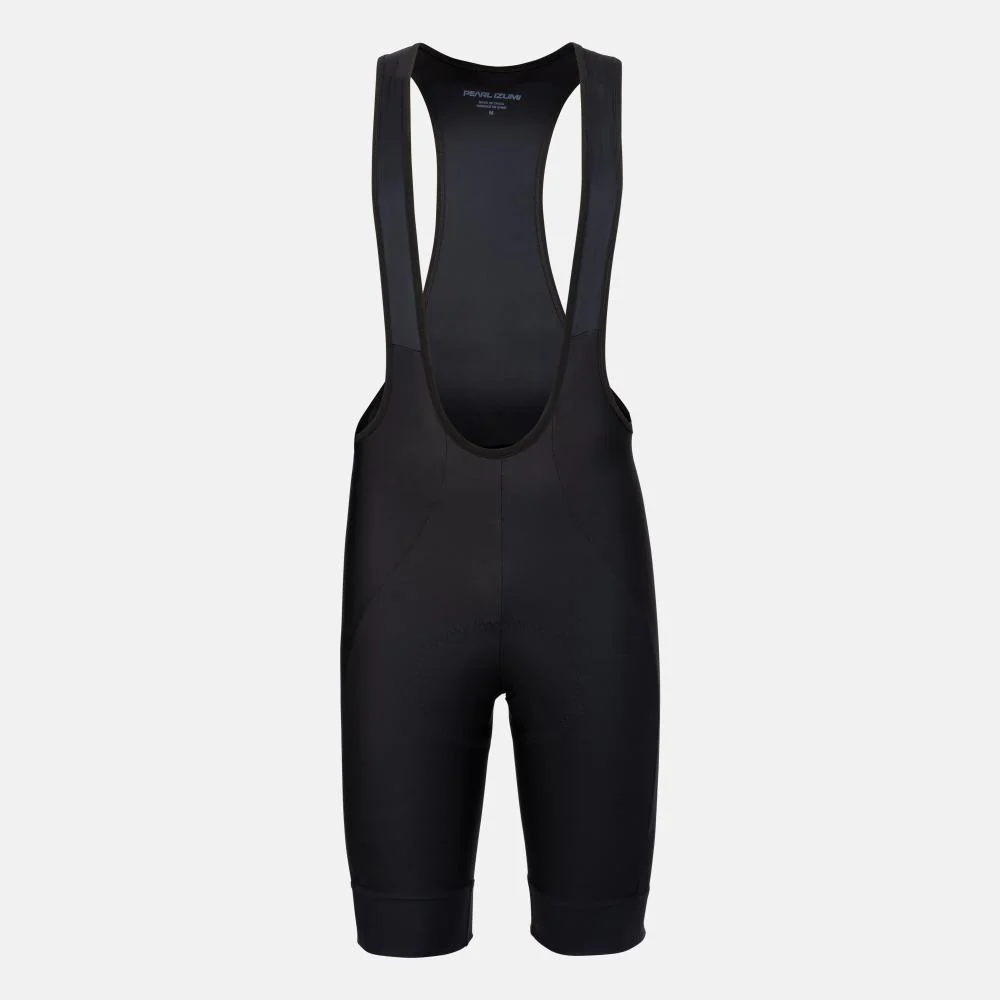
Bib shorts eliminate the waistband entirely, keeping the chamois firmly positioned without bunching, shifting, or digging into your midsection during an aggressive forward lean. On rides longer than 90 minutes, that stability becomes less of a luxury and more of a genuine comfort essential. Standard waist shorts rely on elastic to stay up, which works fine for shorter spins but can create pressure points and distraction over longer efforts — and loosening the waistband to compensate just lets the chamois shift instead.
Bathroom Breaks and Everyday Convenience
The one place waist shorts win cleanly is convenience. Bathroom stops are dramatically simpler when you’re not unclipping shoulder straps in a gas station restroom. Standard shorts are also easier to pull on quickly for a casual neighborhood ride. If your rides are short and spontaneous, that everyday ease matters more than you might expect.
What to Choose Based on Your Riding
- Rides regularly exceeding 90 minutes: bibs will almost certainly improve your comfort in a way that’s immediately noticeable.
- Mostly riding 45 to 60 minutes with casual stops: a well-fitted pair of waist shorts with a quality chamois is a completely reasonable choice.
Either way, neither option saves you if the chamois quality or overall fit is wrong — the construction inside the short matters at least as much as what’s holding it up.
The Importance of Moisture-Wicking Fabrics
Here’s a piece of advice I wish someone had given me earlier: the fabric your shorts are made from matters almost as much as the chamois. I spent early rides thinking any athletic short would do, only to feel like I was sitting in a swamp by mile 40. That persistent moisture isn’t just uncomfortable — it’s the main reason riders develop saddle sores, chafing, and skin irritation on longer efforts.
The goal isn’t to absorb sweat like a sponge; it’s to move it away from your skin so it can evaporate. Moisture-wicking fabric does exactly that, pulling sweat toward the outer layer where it disperses. Cotton holds moisture against you. Even some synthetic blends marketed as “athletic” move sweat slowly enough to cause real problems on a two-hour ride, let alone a four-hour one.
When shopping for cycling shorts, prioritize these fabric qualities:
- Polyester or nylon as the primary fiber. These synthetics wick efficiently and dry quickly. Avoid anything with significant cotton content.
- Smooth interior finish. A smooth inner surface reduces contact friction that compounds painfully over long miles.
- Four-way stretch with good recovery. Pull the material and watch it snap back — this keeps the chamois exactly where it should be throughout the ride.
- Lightweight construction. Thicker fabrics hold more moisture and dry slowly, defeating the entire purpose.
- Antimicrobial treatment. Many quality wicking fabrics resist bacterial growth, reducing odor after hard efforts.
Before your next long ride, check your shorts label — if polyester or nylon isn’t the dominant material, that’s your first upgrade to make.
Fit and Compression: Finding the Sweet Spot
Here is a mistake I made embarrassingly late into my cycling life: I bought a pair of shorts that felt slightly tight in the store, told myself they would “break in,” and then spent a 40-mile ride constantly adjusting them. The common assumption is that tighter always means better performance — that is not true. Compression is designed to reduce muscle vibration, support blood flow, and keep the chamois locked in place, but only when calibrated correctly for your body. Think of it as a comforting hug for your legs, not a vice grip.
What you are looking for is a fit that feels snug while standing but disappears once you are in the saddle. Here is what to check:
- Smooth, even pressure: The shorts should feel like a second skin with no pinching at the waist, leg openings, or chamois area. If the waistband leaves red marks after five minutes, the sizing is wrong for your body regardless of what the size chart says.
- No bunching when seated: Simulate your riding position before you commit. Fabric bunching around the hips or crotch is a direct route to chafing on longer efforts.
- Leg grippers that hold, not squeeze: The leg bands should keep shorts in place without creating a “sausage leg” effect or digging into your skin.
- Compression should follow your muscle lines: Quality shorts use multi-panel construction so compression zones support your quads and hamstrings naturally — not uniformly squeeze everything, which sounds fine until hour three.
Try on your next pair in a half-squat position and if they still feel right after sixty seconds, you have found your fit.
Key Details: Leg Grippers, Seam Placement, and Pockets
You can get the chamois right, nail the compression, choose the perfect fabric — and still end up miserable on a long ride because of one tiny detail. A leg gripper that digs in like a zip tie. A seam running directly under your sit bone. A pocket that bounces with every pedal stroke. On rides under an hour, none of this matters much. Push past two hours and every small design choice either earns its place or earns your resentment.
- The good news: once you know what to look for, these details are easy to evaluate before you buy. Here’s what actually deserves your attention:
- Silicone leg grippers: Look for wide, flat bands that distribute pressure evenly rather than narrow elastic that creates the dreaded “sausage leg” effect — uncomfortable and potentially circulation-restricting on longer efforts.
- Flatlock seam construction: Flatlock seams lie flush against the skin instead of creating a raised ridge. Run your finger along the inner thigh and chamois zone — anything rough or raised is a hot spot waiting to happen.
- Minimal seams in the chamois zone: The fewer seams meeting in the crotch area, the better. Each junction is a potential irritation source, and on a four-hour ride, potential becomes actual very quickly.
- Pockets: A single zippered rear pocket is genuinely useful for a gel or keys. An open pocket sounds fine until you lose your keys on a gravel path. Multiple pockets usually signal recreational aesthetics over function.
Reflective details at the hem: A small reflective strip costs nothing in comfort and adds meaningful visibility during early morning or late evening rides.
Your Next Long Ride Shouldn't Be Ruined by the Wrong Shorts
Getting your shorts right is one of those things that quietly changes everything. Not in a dramatic, gear-obsession kind of way — just in the way that you stop thinking about your chamois halfway through hour three and start actually enjoying the ride. The chamois density, the fabric, the waistband, the seams — none of it matters individually as much as it matters together. When it all fits right for how you ride, the shorts disappear.
You don’t need the most expensive pair on the market. You need the right combination of chamois thickness for your saddle time, fabric that handles your sweat honestly, and a fit that stays put without cutting in. That’s the whole game. So before your next long ride, pull out whatever shorts you’re currently riding in and check the leg grippers — if they’re leaving marks or rolling up after an hour, that’s your sign it’s time to find a better fit.
Related Cycling and Training Content

Mukund Murali is the founder of Pedal My Way (pedalmyway.com), a cycling and fitness media brand reaching 50,000+ monthly visitors. He brings 20+ years of cycling experience spanning road, gravel, and mountain biking, with deep expertise in bike mechanics and repair. A CrossFit L1 and L2 certified trainer (2018–2023), Mukund combines strength training methodology with cycling performance to create evidence-based content for the everyday rider. He is the host of Ask The Pedalist podcast and creator of the PMW Fit workout app on Google Play.