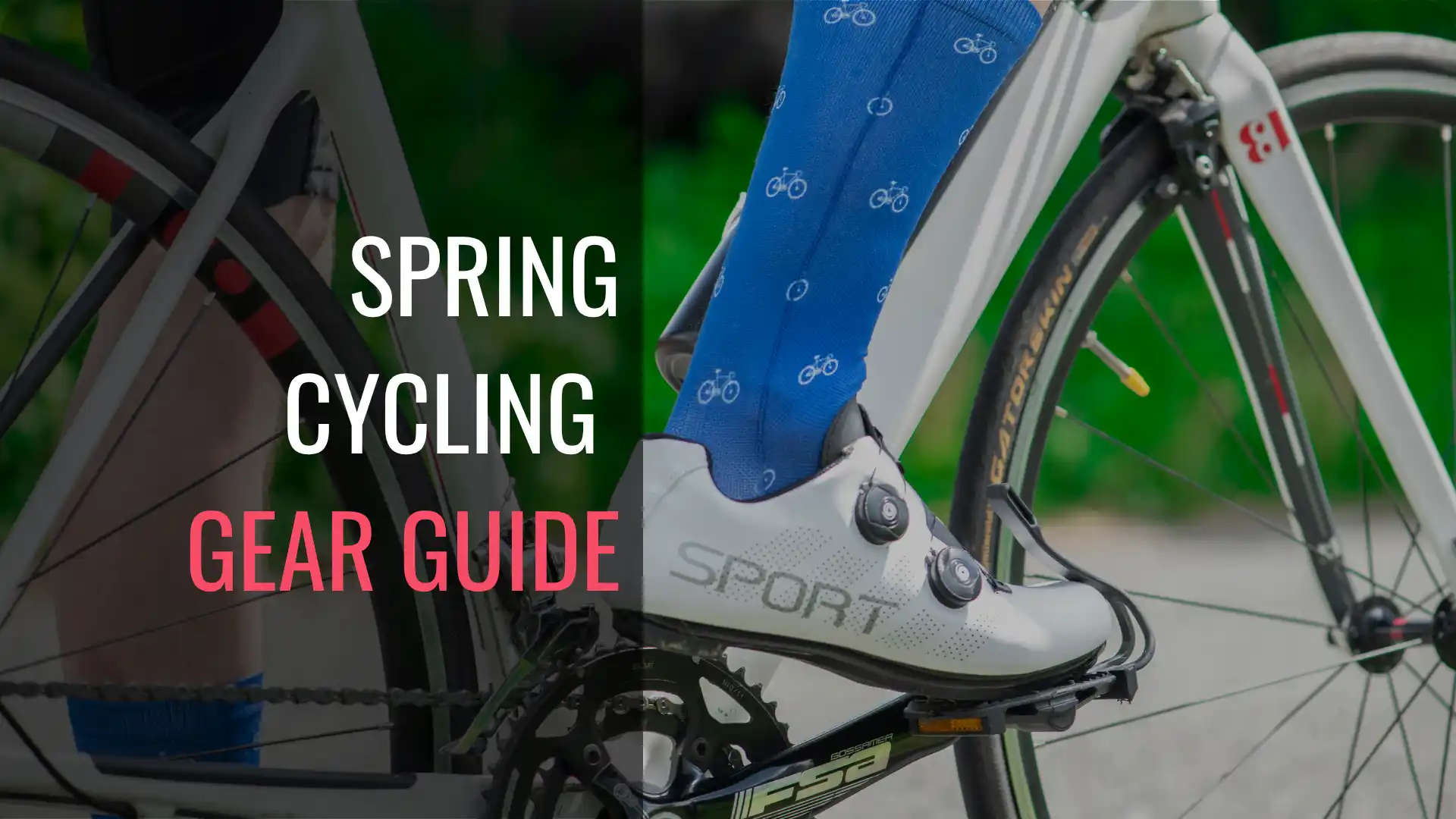
You roll out for a morning ride, arm warmers on, figuring you’ve got the spring weather figured out. By mile eight, you’re sweating through your base layer. By mile fourteen, a cloud rolls in and you’re wishing you’d packed that vest. Spring riding has a way of humbling even experienced cyclists — the season looks mild on paper until you’re actually out in it.
Most of the advice out there treats spring like a simple transition between winter and summer. Throw on a lighter jacket and call it done. But anyone who’s ridden through April in New Jersey knows the weather doesn’t read the calendar. Morning fog, afternoon sun, and a sideways drizzle are all possible before lunch.
Getting spring riding right isn’t about buying new stuff — it’s about making smarter decisions with what you already have. In this post, we will cover how spring weather actually affects your rides, how to pack smart for a spring cycling trip, and which protective gear genuinely earns its place in your kit.
Table of Contents
How the Spring Weather Impacts Cycling
You roll out at 8am in a light jacket, feeling good about the call. Twenty minutes later, the sun is blazing and you’re sweating through it. Then a gust of wind brings a chill that cuts right to the bone. Spring doesn’t care about your plans — it runs its own schedule, sometimes cycling through all four seasons in a single afternoon.
Riding through spring means constantly adapting to conditions that change faster than any forecast can track. Understanding what you’re actually dealing with helps you make smarter decisions before you clip in, not halfway through a ride when your options get limited.
- Temperature swings are the norm: Morning lows and afternoon highs can differ by 20-30 degrees. What you wear at the start of a ride can feel completely wrong an hour later, so versatile layers beat any single “perfect” outfit.
- Wind is your sneaky enemy: Even in full sun, a strong spring breeze can make 50°F feel like 35°F. A quality windbreaker is often more critical than extra insulation.
- Rain appears out of nowhere: Spring showers can be sudden and intense. Roads stay wet longer in cooler temperatures, affecting both traction and how quickly you cool down.
- Wet road debris accumulates: Gravel, sand, and broken pavement hide under puddles, creating puncture and slip risks far more common than in summer.
Allergies can impact your ride: High pollen counts affect breathing and overall comfort. Consider riding earlier in the day or after rainfall to reduce exposure.
How to Pack for a Spring Cycling Trip
You’re fifteen miles from the trailhead when the sky turns that specific shade of grey you ignored on the way out. Spring rides punish under-packers and over-packers equally — one leaves you soaked, the other has you dragging unnecessary weight up every climb. The real trick isn’t just layering up; it’s packing smart layers that offer versatility without weighing you down.
Focus on items that solve the three things spring will almost definitely throw at you: temperature swings, unexpected rain, and longer-than-planned rides.
- Packable wind or rain jacket: This single item does more work than anything else in your kit. It handles downpours and headwinds equally well — look for something that compresses into its own pocket so it disappears when you don’t need it.
- Arm and knee warmers: Small enough to stuff into a jersey pocket, yet crucial for chilly mornings or fast descents. When the sun finally shows up, just roll them down in seconds — far easier than a full layer change mid-ride.
- Thin gloves and cycling cap: Your hands and head are often the first to get cold. Both pack down to almost nothing and make a surprising difference in comfort.
- Extra nutrition: Spring rides stretch longer because the weather finally feels good. Carry one more bar than you think you need — you’ll use it.
- Small emergency kit: A multi-tool, spare tube, and CO2 inflator take up almost no space. Cold-weather flats are miserable enough without standing roadside with nothing.
Before your next ride, lay everything out and ask whether each item solves a real spring problem — if it doesn’t, leave it home.

Protective Cycling Gear for Spring
Spring riding looks beautiful in photos, but the roads tell a different story. Sand, gravel patches, and unrepaired potholes left from winter combine with unpredictable weather shifts that can turn a sunny morning into a cold, wet slog by afternoon. This is the season where protection matters most — not because you need to armor up, but because conditions are genuinely unpredictable in ways that midsummer riding isn’t.
The key isn’t buying more stuff — it’s choosing versatile pieces that handle quick weather changes while keeping you safe. Here’s what actually earns its place on a spring ride:
- Helmet with MIPS technology: Spring winds can push you sideways on open roads and bridges. A well-fitted helmet with rotational impact protection is never negotiable, regardless of how short the ride is.
- Lightweight windbreaker or rain jacket: Look for something that packs into a jersey pocket. It won’t keep you dry in a downpour, but it cuts wind chill and sheds light rain when temperatures drop unexpectedly.
- Cycling gloves: Your hands feel the cold first, and your palms take the first hit in any fall. Padded, full-finger gloves protect against spring gravel while maintaining dexterity for shifting and braking.
- Arm and leg warmers: More flexible than committing to full tights or a long-sleeve jersey — roll them down or stash them when the sun comes out without stopping your ride.
- Clear or lightly tinted glasses: Debris, insects, and sudden rain all become real problems at speed. Clear lenses outperform dark ones on overcast spring days when light keeps shifting.
Before your next ride, check that your helmet hasn’t taken any impact since last season — if it has, replace it.

New Outlook for the New Season
Spring riding does not need to be complicated. A few smart layers, the right bag setup, and some basic protective gear will carry you through almost anything the season throws at you. You do not need to overhaul your whole kit — just plug the gaps that actually matter for variable weather and longer days in the saddle.
Get out there while the season is fresh. Pack your bag tonight, check your helmet fit, and pick a route you have been putting off all winter. Spring waits for nobody — go enjoy every mile of it.
Related Cycling and Training Content

Mukund Murali is the founder of Pedal My Way (pedalmyway.com), a cycling and fitness media brand reaching 50,000+ monthly visitors. He brings 20+ years of cycling experience spanning road, gravel, and mountain biking, with deep expertise in bike mechanics and repair. A CrossFit L1 and L2 certified trainer (2018–2023), Mukund combines strength training methodology with cycling performance to create evidence-based content for the everyday rider. He is the host of Ask The Pedalist podcast and creator of the PMW Fit workout app on Google Play.